


 By Roysten Xavier - June 18, 2026
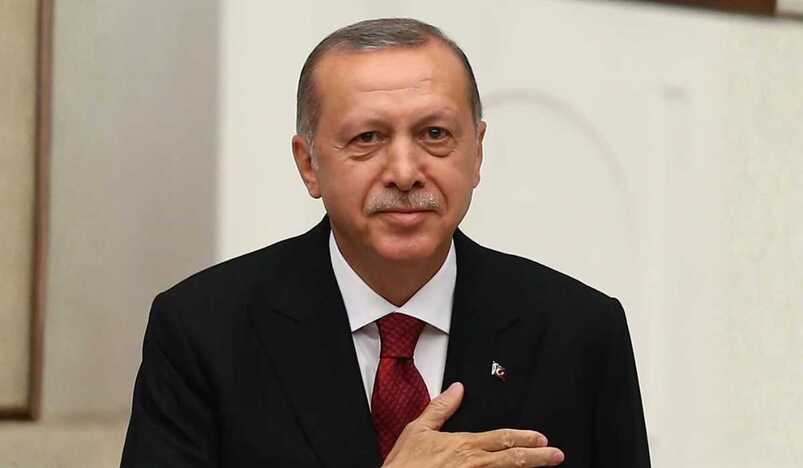
The incredible role the State of Qatar had undertaken in backing the diplomatic path that led to the US-Iran accord has gained traction amid Turkish circles and media outlets.
These outlets acknowledged that the Qatari efforts had helped entrench an atmosphere of dialogue and bridge viewpoints between the relevant parties, with the agreement receiving broader traction in Turkiye amid expectations that it would usher in a new era of regional de-escalation, throwing away any potential military escalation in the region.
The official postures and media analysis in Turkiye focused on the constructive role the State of Qatar had played in maintaining engagement channels and encouraging diplomatic solutions by capitalizing on its balanced relationship with various parties.
This Qatari role, observers noted, has helped create fitting conditions to have successful negotiations and reach the understanding that gained broader regional and global welcome.
Ankara welcomed the deal and considered the political dialogue and diplomatic solutions as the optimal pathway to address regional crises, with Turkish officials underscoring the importance of investing in the de-ecalation atmospheres to safeguard stability and strengthen regional security.
In this context, President of Turkiye, Recep Tayyip Erdogan, welcomed the US-Iran memorandum of understanding, considering it a significant development in deepening peace and stability in the region.
In a post published on the Turkish platform "In Social", Erdogan hoped that this long-anticipated development at the global level would contribute to strengthening an environment of durable peace and security in the region.
He also stressed the importance of avoiding provocative remarks and actions that could lead to an escalation of tensions during the period leading up to the signing of the agreement, calling for scrupulous caution against any potential attempts to disrupt this process, which could otherwise lead to further intractable conflicts.
The Turkish President lauded the support provided by the State of Qatar to diplomatic initiatives related to this matter, affirming unwavering backing for all efforts aimed at consolidating peace, stability, and de-escalation in the region, alongside the pursuit of enduring solutions grounded in diplomacy and international law.
From a media perspective, the agreement dominated headlines across Turkish newspapers and television screens, with coverage focusing on the potential outgrowth of the deal on Gulf security, energy markets, and the future of regional balances.
Amid the coverage and analysis, Qatar's role emerged as one of the key factors that helped bring viewpoints closer between the concerned parties, in a scene reflecting the growing importance of regional mediation and the ability of quiet diplomacy to achieve breakthroughs in some of the most intractable and sensitive issues in the Middle East.
Turkish experts and political analysts strongly hailed Qatari diplomacy, which in recent years has positioned itself as a trusted mediator in numerous regional and global questions.
Qatar News Agency (QNA) interviewed founding Editor-in-Chief of the Turkish news channel Ulke TV, Hasan Ozturk who stated that Qatar benefited from its balanced relations with Washington and Tehran to maintain communication channels between both sides, helping create a conducive environment for steering negotiations toward positive outcomes.
The success of the agreement doesn't represent a diplomatic triumph for one party alone but rather reflects the success of efforts in which several regional actors participated, foremost among them Qatar, which played a supportive role in narrowing differences and de-escalating tensions, Ozturk underscored.
He noted that the stabilization of US-Iran relationship is expected to have positive implications on the region, particularly in energy, trade, and maritime navigation files-issues directly tied to both Turkish and Gulf interests.
Turkish analysts indicate that Doha has, over recent years, strengthened its position as a trusted mediator among various regional and international parties, benefiting from its extensive network of relations and its ability to engage with all sides without exception.
Mahmoud Osman, a Turkish researcher specializing in Middle Eastern affairs, told QNA that the role undertaken by the State of Qatar in achieving this agreement was not a momentary development, but rather the continuation of a long diplomatic pathway through which Doha has firmly established itself as a trusted mediator capable of forging bridges between diverging parties.
He added that the success of Qatari diplomacy in managing complex issues in recent years- from negotiations related to Afghanistan to multiple regional mediations- has boosted the confidence of international and regional powers in Qatar's ability to play constructive roles in sensitive crises requiring a high degree of neutrality and a carefully calibrated agnostic approach to competing interests.
Osman further pointed out that this accumulated record of diplomatic achievements enabled Doha to act effectively on the US-Iran issue, by capitalizing on its balanced relationships with all sides, thereby helping prepare the groundwork for dialogue and narrow differences at a time when the region was in urgent need of de-escalation and avoidance of further escalation.
He finished by underlining that the success of Qatari mediation isn't confined to US-Iran bilateral relationship, but also ushers in a new era of regional stability, reinforcing Qatar's position as an influential diplomatic actor in shaping political solutions to regional and international crises.
(QNA)

_17-27-2026_12-27.jpg)



_20-08-2026_05-08.jpg)
_27-51-2026_11-51.png)
_27-43-2026_12-43.png)



.jpg)
.jpg)




.jpg)


.jpg)
.png)
.jpg)










Leave a comment